Our story

We didn't choose the port. The port chose the menu.

How a family opened a seafood bar at Batroun's fishermen's port in 2017

Oyster's Seafood Bar is a family-owned and family-run seafood restaurant at Batroun's fishermen's port (Batroun Mina), near the Phoenician Wall. We buy our fish from the fishermen at the quay, and our father, Assal, also fishes for fresh fish whenever possible. We opened in 2017 and we're open daily except Tuesday, 12 PM to 12 AM.
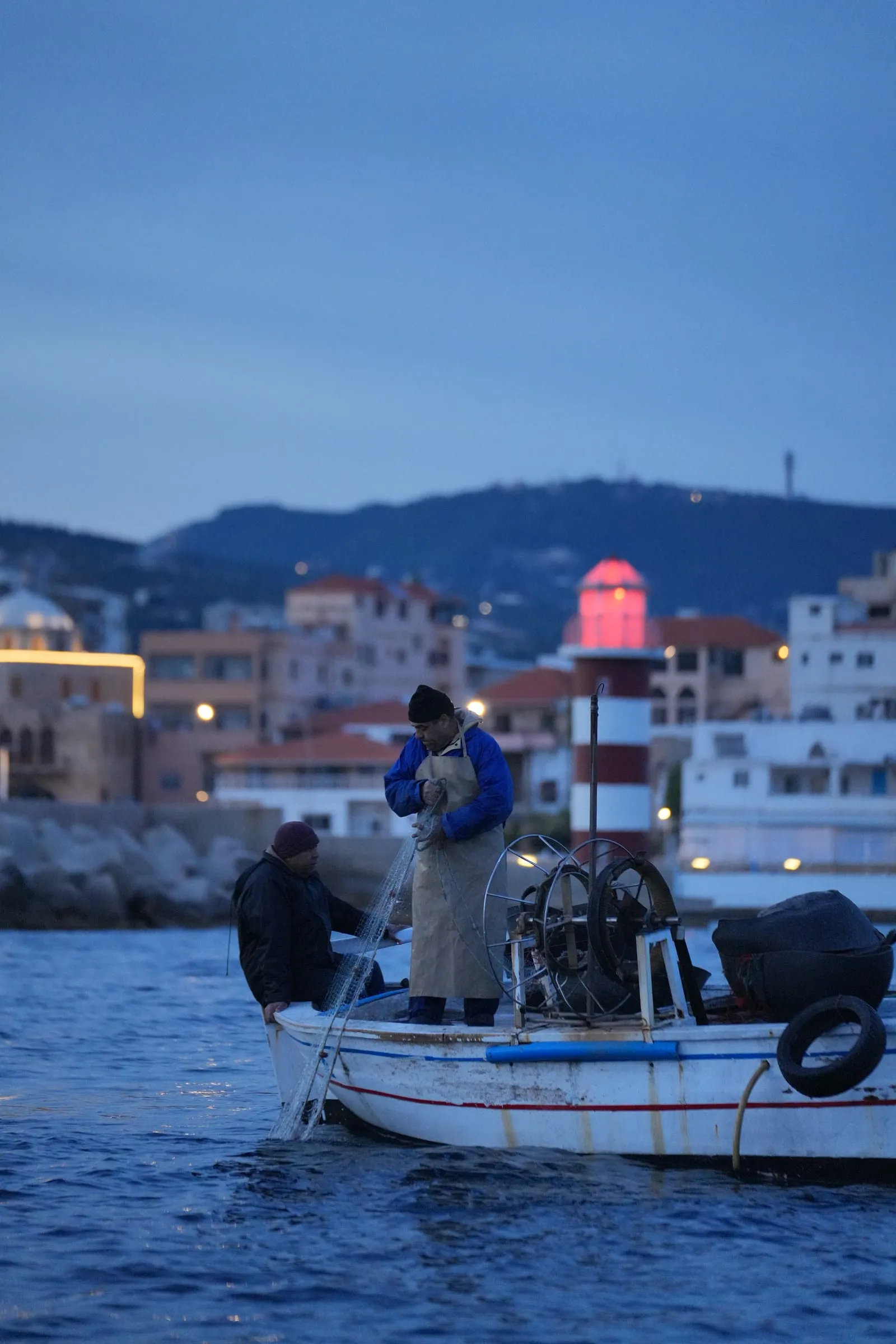
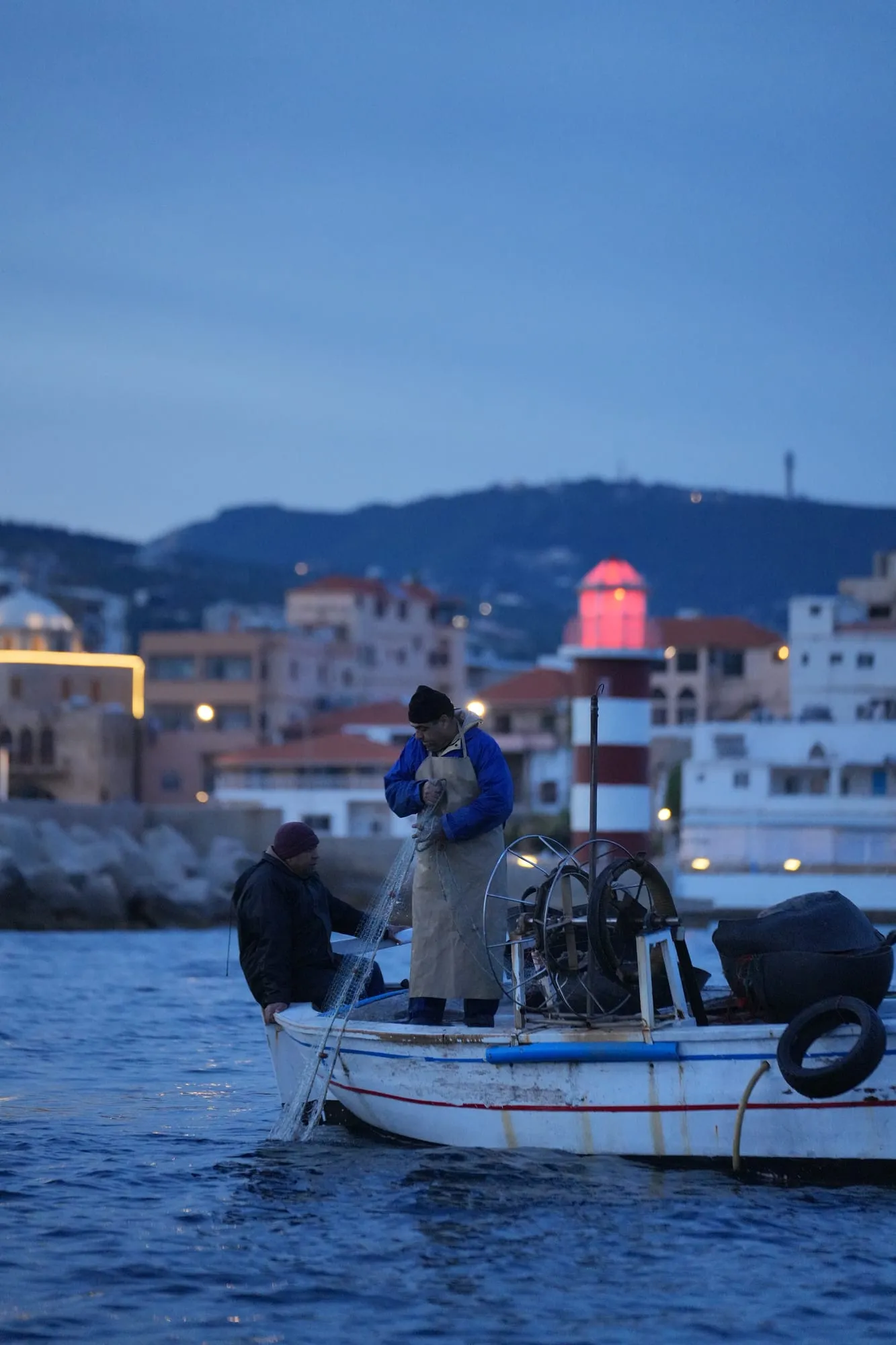
A fisherman standing in his boat at dusk at Batroun Mina, the fishermen's port where Oyster's Seafood Bar stands, the red lighthouse lit behind him

2017

A few tables, a shucking knife, and a lot of confidence.

We started small: oysters, whatever the boats brought in, lemons, bread, and the sea in front of us. The idea was simple and still is. Buy from the fishermen we grew up next to, cook it the same day, and don't hide it under sauces.

The name came first. Oysters were what we loved most and what Batroun had least. People came for them, stayed for the fish kebbe, and told their friends.

2017Oyster's opens at the Mina. A family restaurant at Batroun's fishermen's port, with the fishermen's boats moored a few metres from the tables.

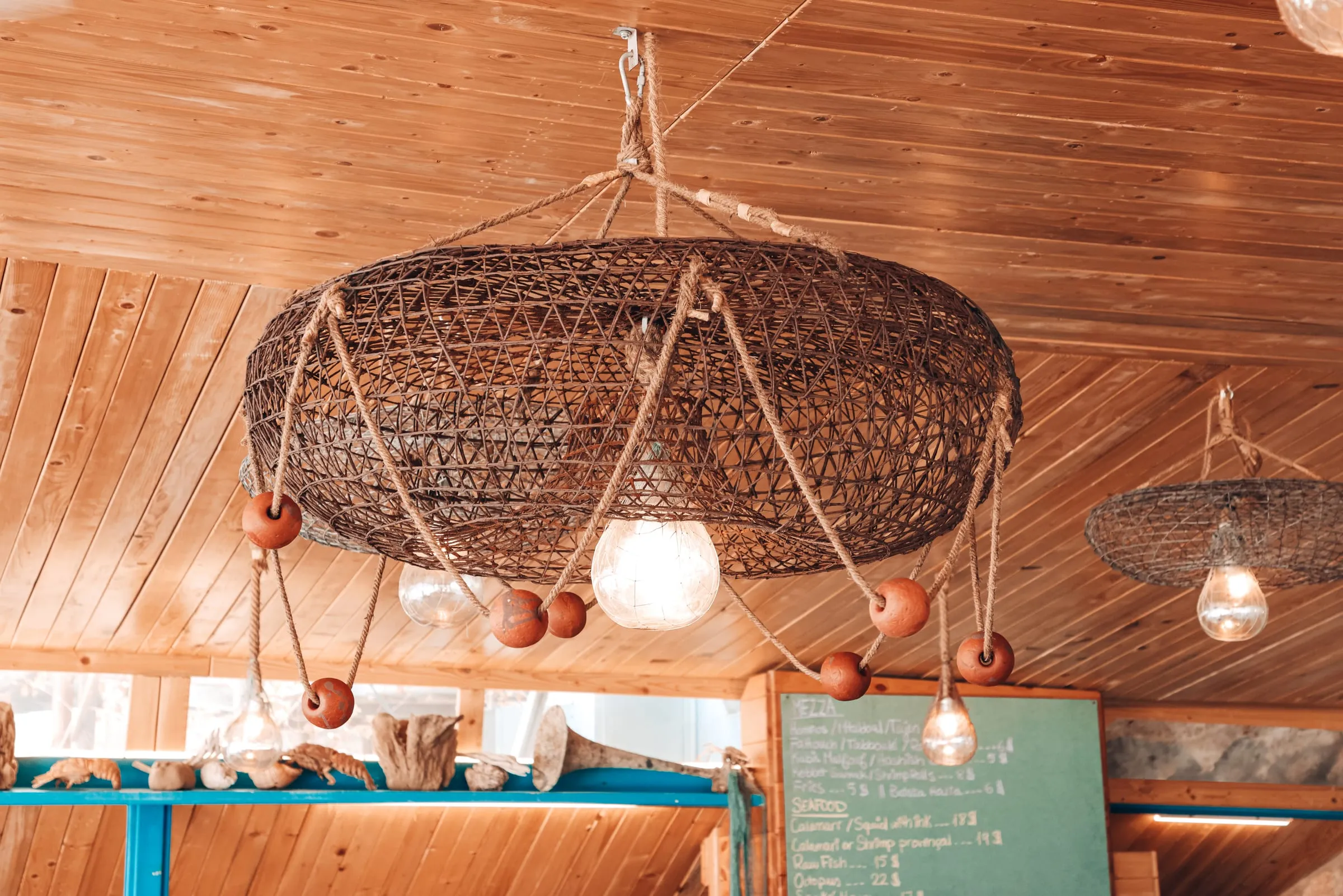
A fish trap turned into a lamp above the chalkboard menu in the dining room of Oyster's Seafood Bar, Batroun Mina

Batroun

A town that has always eaten from the sea.

Batroun's harbour sits behind a sea wall the Phoenicians reinforced more than two thousand years ago. Fishermen have worked from it ever since, and the town's kitchens learned to cook what they brought: grilled whole fish, sayadieh, fish kebbe, sea urchins in winter.

We're from here. Our kitchen is a continuation of that habit, not a concept.

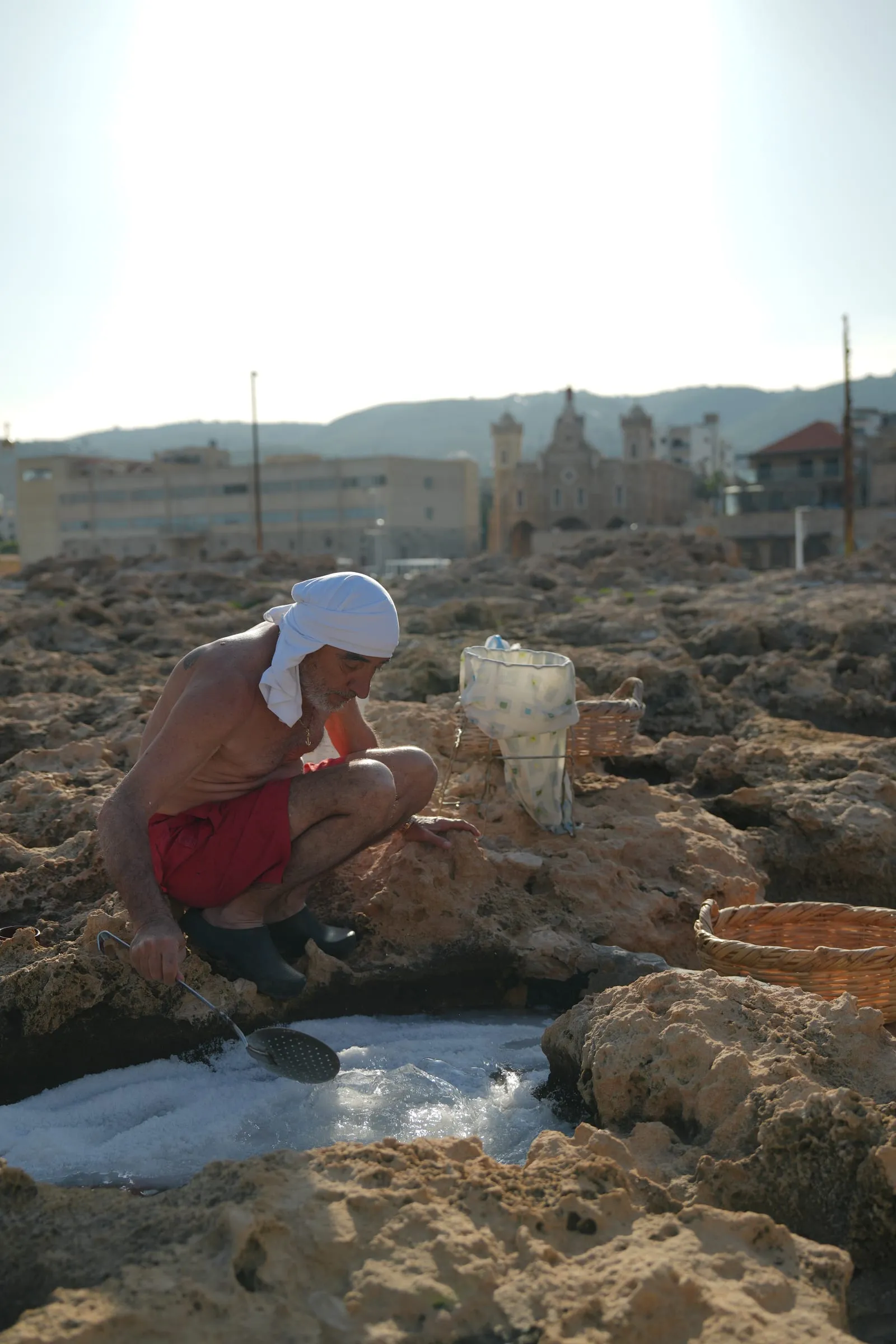
Assal collecting Osalée sea salt in the Phoenician Wall salt ponds, Batroun
Assal collecting Osalée in the salt ponds along the Phoenician Wall, Batroun.
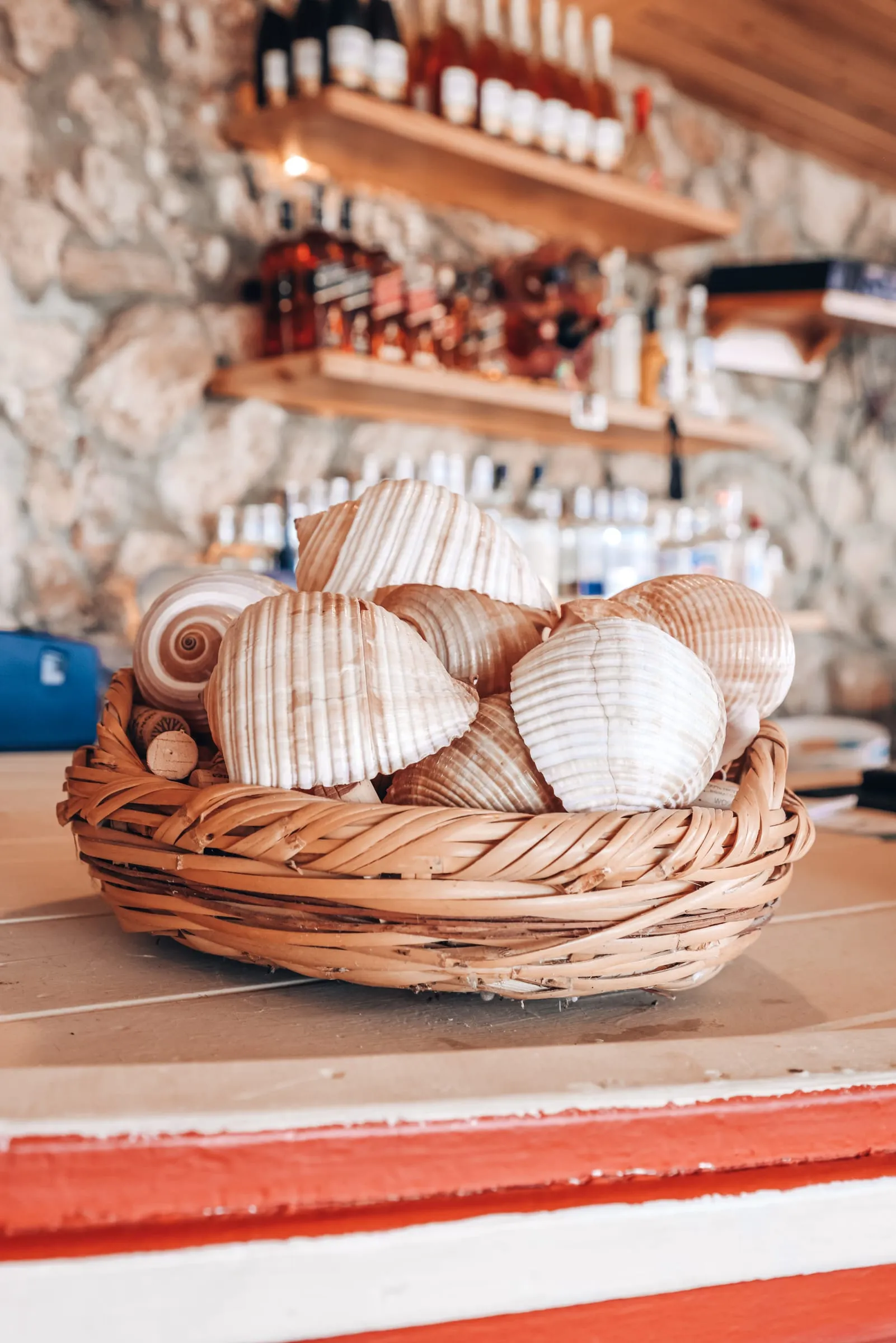
A basket of shells from Batroun Mina on the bar counter at Oyster's Seafood Bar, Batroun
Shells from the Mina on our counter.

Behind every plate

Where does our fish come from?

We buy from local fishermen at the Batroun quay, and our father, Assal, also fishes for fresh fish whenever possible.

We're a Batroun family. We don't buy from a wholesaler: we buy at the quay, from a handful of fishermen who go out before dawn in small wooden boats.

  • Two fishermen hauling in a net at dusk off Batroun Mina, where Oyster's Seafood Bar buys its fish, the lighthouse behind them

    The fishermen

    Boats of the Mina

    A handful of small wooden boats go out before dawn. We buy what they bring in, on the quay, the same morning.

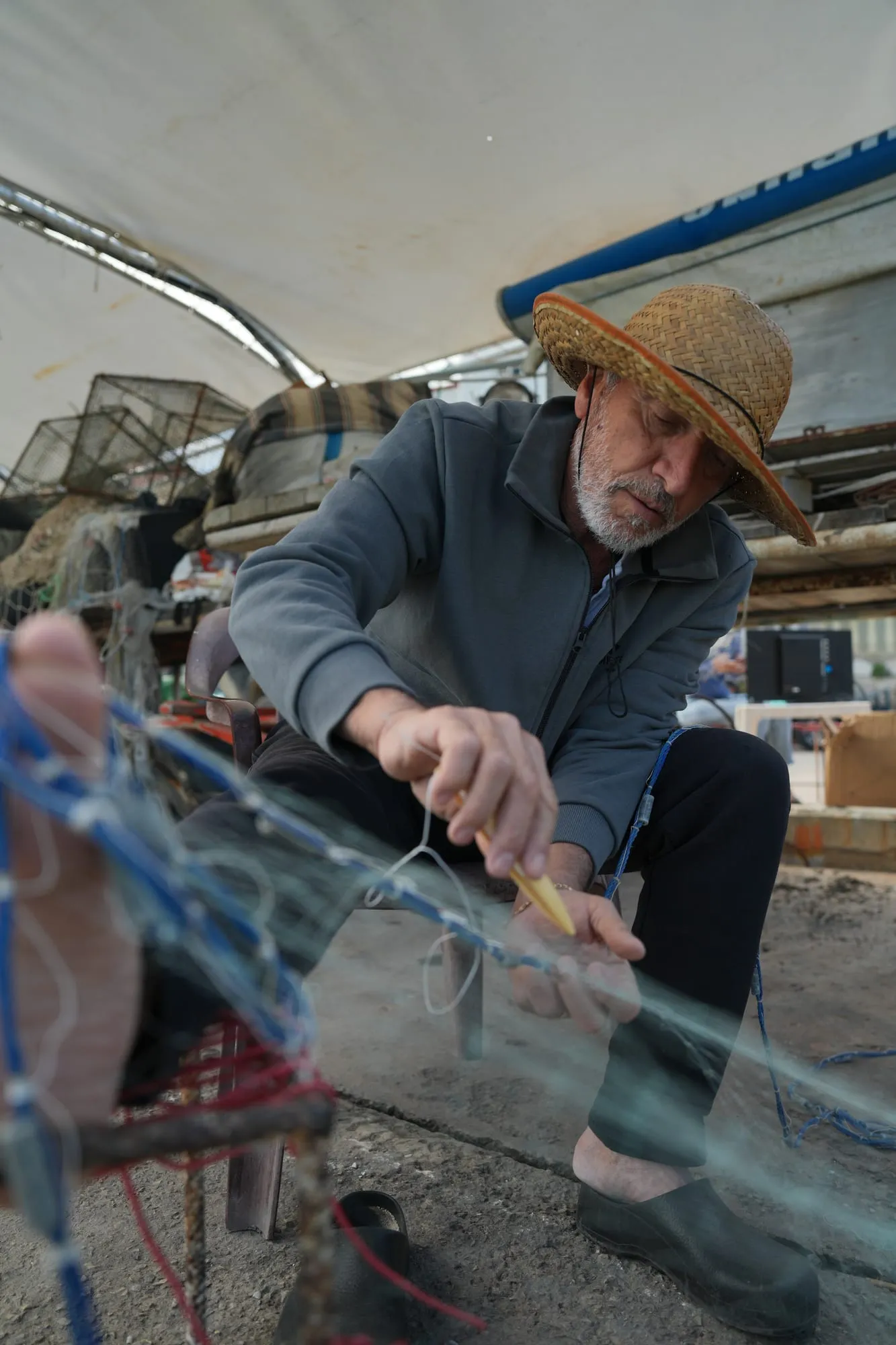
  • Assal, the father of the Oyster's Seafood Bar family, mending a fishing net by hand at Batroun Mina

    Assal, our father

    Fisherman and salt maker

    He fishes for fresh fish whenever possible, and each summer he hand-crafts Osalée from the Phoenician Wall salt ponds.

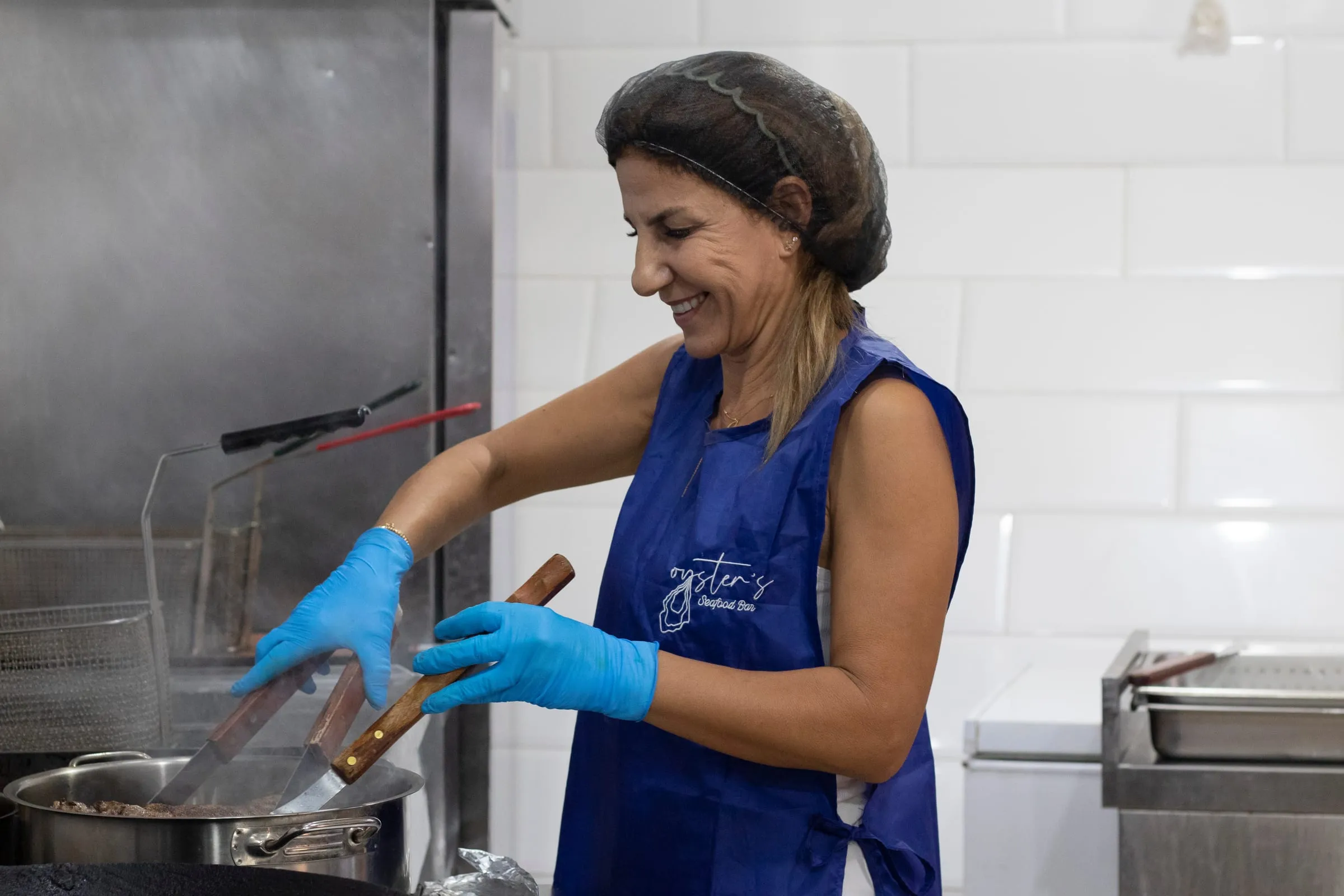
  • Marcelle, our mother, cooking at the stove in the kitchen of Oyster's Seafood Bar, Batroun Mina

    Marcelle, our mother

    The family kitchen

    In the Oyster’s kitchen, cooking what the boats bring in.

From boat to kitchen

What happens between the quay and your table.

  1. Before dawn

    The boats leave the Mina while the town sleeps. Nets, lines and traps, depending on the season.

  2. Mid-morning

    They come back. We walk to the quay, look at what came in, and buy for the day.

  3. Noon

    The menu is set by what was bought. Grilled whole, raw with lemon and Osalée, or folded into fish kebbe.

How we work

Sustainability at Oyster's.

No straws
We don't use straws.
Glass bottles, upcycled
We upcycle our glass bottles.
Fish from local boats
We buy our fish from the fishermen at the Batroun quay, and our father, Assal, also fishes whenever possible.
Osalée, made by hand
Our father hand-crafts Osalée, an organic, air-dried sea salt extracted each summer from the Phoenician Wall salt ponds.